10 Pinterest Accounts To Follow Electric Assistive Technology


Electric Assistive Technology
In 2030, the number of people who need assistive devices will nearly double. These devices can be purchased, modified, such as adding tennis balls to a walker; or even made to order.
Assistive technology includes ergonomic kitchen tools, such as OXO Good Grip and keyboards that are specialized. Advanced devices may also be considered, including screen magnifiers.
Functional electrical stimulation
Functional electrical stimulation (FES) applies small electric charges to muscles that have become disabled or weak because of injuries, such as a stroke or multiple sclerosis. The electrical pulses cause the muscle to perform its usual movement. electric sport scooters My Mobility Scooters helps in facilitating movement, such as grasping or walking. it can aid in improving the function of the bladder and bowel and reduce the risk of pressure sores.
Electrical stimulation has been used for a long time to treat a variety of conditions. Examples include cochlear implants to help with hearing, respiration assisters and systems to assist people void their bladder. It also helps reduce tremors caused due to Parkinson's disease. Electrical stimulation is delivered using electrodes that may be completely implanted within the body or placed on the skin without penetrating the skin, known as percutaneous or noninvasive electrodes.
The intensity of the stimulation can be controlled to produce different outcomes. For instance, the intensity of the stimulus can influence the type of nerve fibers recruited, with larger fibers closer to the electrode being targeted first. The duration of the stimulus is an additional important aspect. It can influence the rate of fatigue by altering the duration that the muscle is stimulated.
FES isn't for all. It can be very effective in helping someone with a spinal injury regain their functional movements. It's not appropriate for people with epilepsy that isn't controlled and cancerous lesions that are on the skin to be stimulated, or who are hypersensitive. The electrodes shouldn't be used for people with poor skin conditions, since they can cause irritation or even pressure injuries.
Power chairs
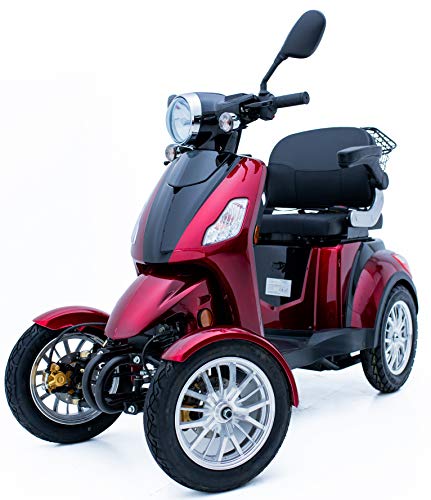
Power chairs are motorized wheelchairs that make use of an electric motor and battery to help with mobility. These wheelchairs can be controlled using an electronic joystick or other control systems. They offer more independence for those who are unable to walk. These devices let users travel further distances without the need of other people. They can also be adapted to meet the needs of specific users.
There are many different types of power chairs that include portable or indoor/outdoor models, as well as a mid-sized. Portable power chairs are extremely lightweight and fold down to fit into small spaces. These are perfect for use at home, or for short distances. Mid-sized power wheelchairs offer a balance of flexibility and endurance. Indoor/outdoor powerchairs are designed for outdoor use, but can also be adjusted for indoor use. Outdoor and indoor chairs could include grippy tires that can assist with maneuvers over kerbs and they could also have an kerb-climber.
For those with physical disabilities, assistive technology is an essential tool. It ranges from store bought solutions, such as voice recognition software to specialized seating options that enhance the user's comfort and independence. High-tech assistive technology is often more expensive, but offers advanced features and customizable capabilities that are suitable for a variety of user needs.
To find the ideal solution to meet your requirements, it is recommended to get a professional evaluation from a doctor or physical therapist. They will recommend the best equipment for you, assist you choose the right size and show how to use it. They can also assist you in choosing accessories and integrating the equipment into your daily routine.
Railings
Often referred to simply as handrails railings are placed diagonally on ramps or stairs to provide an effective gripping point for those who are navigating the slope. To prevent accidents, most building codes have regulations about the height and spacing of handrails. Handrails can be molded to a graspable shape or constructed out of materials that are simple to grip. Handrails that are functional and in compliance with ADA regulations feature a recess for the fingers, either on one side or both. They must also be sturdy enough to withstand 200 pounds of force.
Handrails also serve as a tactile guide for those with visual impairments, aiding them to climb steps. Moving their hands along the railing allows people to feel the number of steps, curves, or landings. Handrails can be used to direct people away from danger in emergencies.
Electronic pillboxes
The electronic pillbox was created to help seniors remember to take their medications. The electronic pillbox incorporates audio and visual reminders, as well as triple alarms, to make sure seniors take their medications at the right time. This technology can reduce medication errors, which are a major cause of death in seniors. It also helps prevent overdoses, which can cause death.
The device is made up of a container for medication with compartments for daily use and weekday times and a sensor powered by batteries with a mobile data connection worldwide as well as speakers and LEDs to notify users via audio or visual signals when the pills are due. This device is aimed at patients who are taking several medications, vitamin supplements or both, as well as caregivers at hospitals and retirement homes.
In the simplest model the pillbox sensor is integrated in the lid and it monitors the condition of each compartment lid. The sensors are activated every time a lid is opened by a user and a message transmitted to the microcontroller. The signal is time-stamped and stored in a circular memory buffer in the microcontroller 18LF252 PIC.
The system is designed to be reprogrammable by using an external Arduino board, which controls all the various components. The Arduino board is responsible for wireless notifications to caregivers and also letting the senior know when a medication needs to be taken. The acoustic signals as well as the light will remain on for a brief time, then bleep once every 10 seconds until the senior has a response. The pillbox will then start dispensing the pill and the internal speakers and LEDs will turn off.